Source Organic Amino Acid Cleansing Mousse for Daily Care
Explore 30 listings for organic amino acid cleansing mousse, featuring deep cleansing and moisturizing benefits. Compare formulations with ingredients like glycerin and shea butter from certified manufacturers to find suitable options for various skin types; compare the available evidence and request quotations based on your requirements.
Key considerations
Products List



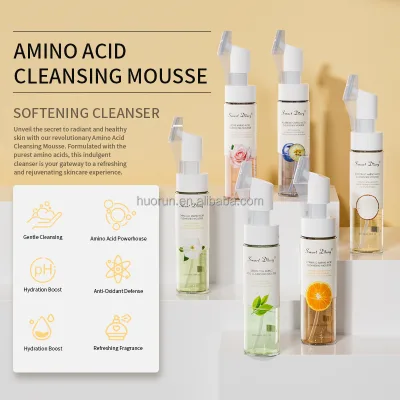


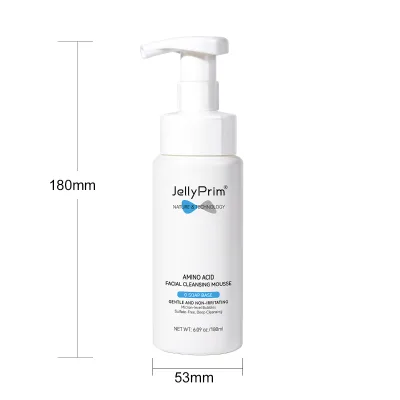
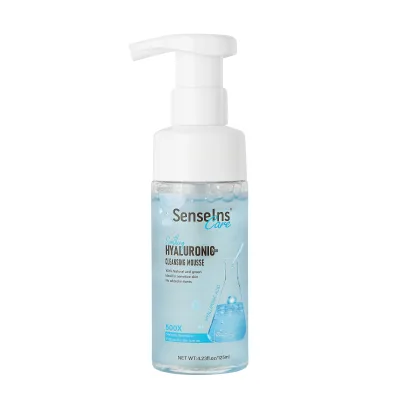
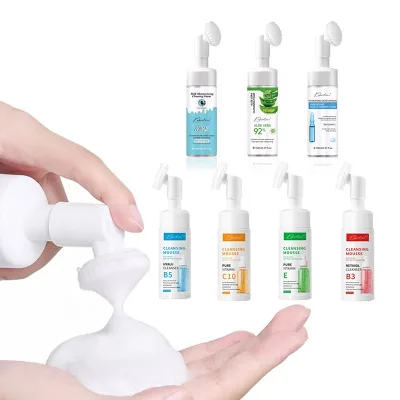


Comprehensive Sourcing Guide
Organic Amino Acid Cleansing Mousse Sourcing Guide
Procuring organic amino acid cleansing mousse requires distinguishing between general moisturizing formulations and specialized deep-cleansing variants that prioritize skin barrier integrity. Buyers must verify that the "organic" designation aligns with specific ingredient lists, such as those containing amino acids, glycerin, or botanical extracts like aloe vera and green tea, rather than relying solely on marketing claims. The observed market data indicates a wide range of product models, from standard 100g tubes to customized 150ml formats, necessitating a clear definition of the target formulation before engaging suppliers.
The sourcing strategy should focus on suppliers who explicitly list amino acids as a primary ingredient alongside organic components, ensuring the product delivers the promised gentle cleansing without stripping natural oils. While many listings feature broad features like "deep cleansing" or "pore cleaning," the specific inclusion of organic amino acids suggests a formulation designed for sensitive skin types and daily use. Buyers should prioritize vendors who provide detailed ingredient transparency to confirm the presence of these specific organic compounds within the mousse structure.
Product Scope and Observed Listing Signals
The current market presents a diverse array of cleansing products, with observed specifications ranging from 100ml to 150ml volumes and various packaging formats including cartons, boxes, and customized units. Listings frequently highlight features such as "rich lather," "skin barrier-friendly" properties, and "sensitive skin" compatibility, which are critical indicators for organic amino acid formulations. However, the presence of these features does not guarantee the specific organic amino acid composition required, so buyers must cross-reference the main ingredient list against the product description to ensure alignment with procurement goals.
Price observations span a significant range from $0.20 to $15.17, reflecting differences in ingredient quality, packaging customization, and order volumes. Minimum order quantities vary widely between 27 and 5000 units, suggesting that smaller buyers may need to negotiate specific terms or consolidate orders to access competitive pricing tiers. The availability of OEM and ODM services allows for private labeling, but the core formulation must remain consistent with the organic amino acid requirement to maintain product efficacy and brand integrity.
Technical Specifications to Verify
Buyers must rigorously verify the physical specifications of the mousse, including the single package size, gross weight, and form factor, to ensure compatibility with logistics and retail requirements. Observed data points to specific dimensions such as 20x6x6 cm for single packages and a gross weight of 0.230 kg, which are essential for calculating shipping costs and storage capacity. Additionally, the product model numbers, such as LD2023122115 or M-235, serve as unique identifiers that help distinguish between different batch formulations and ensure consistency across large procurement orders.
The formulation's physical state, typically described as a cream or mousse, must be confirmed to match the intended application method and consumer experience. Specifications like the 100ml/pcs standard or 100g model number indicate the volume and weight constraints that affect the final product's performance and shelf life. It is crucial to confirm that the "regular size" designation aligns with market expectations and that the storage method, such as keeping the product in a shady and dry place, is clearly communicated to prevent degradation of organic ingredients.
Compliance and Safety Documentation
Ensuring regulatory compliance is paramount when sourcing organic cleansing products, as the market data indicates a variety of certifications including GMP, FDA, CE, and MSDS. Buyers should request current documentation for these certifications to verify that the manufacturing facility adheres to Good Manufacturing Practices and that the product meets safety standards for export. The presence of multiple certifications suggests a robust quality management system, but each document must be validated to ensure it covers the specific organic amino acid formulation being procured.
Safety data sheets (MSDS) are essential for understanding the chemical composition and handling requirements of the mousse, particularly when dealing with organic and botanical ingredients. These documents provide critical information on storage conditions, potential hazards, and first-aid measures, which are necessary for safe transportation and retail handling. Buyers must ensure that the MSDS is up-to-date and accurately reflects the specific batch of organic amino acid mousse, as formulations can vary even within the same product line.
Cost Drivers and Commercial Terms
The final cost of organic amino acid cleansing mousse is influenced by several factors, including the complexity of the formulation, the cost of organic ingredients, and the level of customization required. While the observed price range is broad, the inclusion of specific organic components like amino acids and botanical extracts often commands a premium over standard synthetic formulations. Buyers should analyze the cost structure to understand how ingredient sourcing and production methods impact the unit price and negotiate accordingly.
Commercial terms such as minimum order quantities and lead times play a significant role in the overall procurement strategy, with MOQs ranging from 27 to 5000 units. Suppliers offering customization services may have different pricing structures and lead times compared to those providing standard off-the-shelf products. It is advisable to clarify payment terms, shipping responsibilities, and any potential volume discounts to optimize the total cost of ownership and ensure a sustainable supply chain.
Supplier Qualification and Quality Control
Selecting a qualified supplier involves verifying their production capabilities, quality control processes, and ability to meet specific organic and amino acid formulation requirements. The observed data shows that many suppliers offer customization options, including private labeling and logo printing, which indicates a flexible manufacturing environment. However, buyers must assess the supplier's track record in handling organic ingredients and their ability to maintain consistency across different production batches to ensure product reliability.
Quality control measures should be a central part of the supplier evaluation process, focusing on the verification of ingredient purity and the absence of contaminants. Suppliers should demonstrate a commitment to maintaining high standards through regular testing and adherence to international quality management systems. Buyers should request samples and test reports to validate the product's performance, ensuring that the organic amino acid mousse meets the desired efficacy and safety criteria before committing to a large order.
Long-Term Procurement Checks
Establishing a long-term procurement relationship requires ongoing monitoring of product quality, supplier performance, and market trends to ensure continued alignment with business goals. Buyers should implement regular audits and quality checks to verify that the organic amino acid mousse continues to meet specifications and regulatory requirements over time. This proactive approach helps mitigate risks associated with supply chain disruptions and ensures that the product remains competitive in the evolving skincare market.
Continuous communication with suppliers is essential for addressing any changes in formulation, packaging, or regulatory standards that may affect the product. Buyers should maintain a clear record of all interactions, test results, and compliance documents to facilitate smooth operations and quick resolution of any issues. By fostering a collaborative relationship with suppliers, buyers can secure a reliable supply of high-quality organic amino acid cleansing mousse that supports their brand's reputation and customer satisfaction.
FAQs
What are the main ingredients in this organic amino acid cleansing mousse?
The product features organic amino acid as its primary cleansing agent, combined with moisturizing components like glycerin and shea butter. Some formulations also include aloe vera, green tea, and pearl extracts. These ingredients work together to provide deep cleansing while maintaining skin hydration and barrier health for all skin types.
Can this product be customized with private label branding?
Yes, customization is available for this organic amino acid cleansing mousse. Buyers can utilize OEM, ODM, and private label services to print their own logos on the packaging. The product supports various packing options, including cartons and boxes, allowing brands to tailor the presentation to their specific market requirements and identity.
What certifications does the manufacturer hold for this face wash?
The manufacturer holds several key certifications including GMP, MSDS, CE, and FDA. These credentials ensure that the production processes meet international quality and safety standards. The presence of these certifications indicates that the organic amino acid cleansing mousse is manufactured in a regulated environment suitable for global distribution and compliance.
What are the key features of this amino acid facial cleanser?
This cleanser offers deep cleansing, pore cleaning, and moisturizing benefits. It is designed to remove blackheads and blemishes while providing firming and whitening effects. The formula is skin barrier-friendly and suitable for sensitive skin, delivering rich lather that effectively cleanses pores without stripping natural oils, making it ideal for daily use.
What is the typical packaging and specification for this product?
The product is available in various specifications, including 100g and 100ml models. Packaging options range from individual boxes to bulk cartons, with dimensions such as 51x51x173mm for larger shipments. The single package size is often around 20x6x6 cm, and the gross weight is approximately 0.230 kg per unit for logistics planning.
How should the organic amino acid mousse be stored?
The product should be stored in a shady and dry place to maintain its efficacy and stability. Proper storage prevents degradation of the organic amino acid and other active ingredients like hyaluronic acid and vitamin C. Keeping the mousse away from direct sunlight and moisture ensures the formula remains fresh and effective throughout its shelf life.